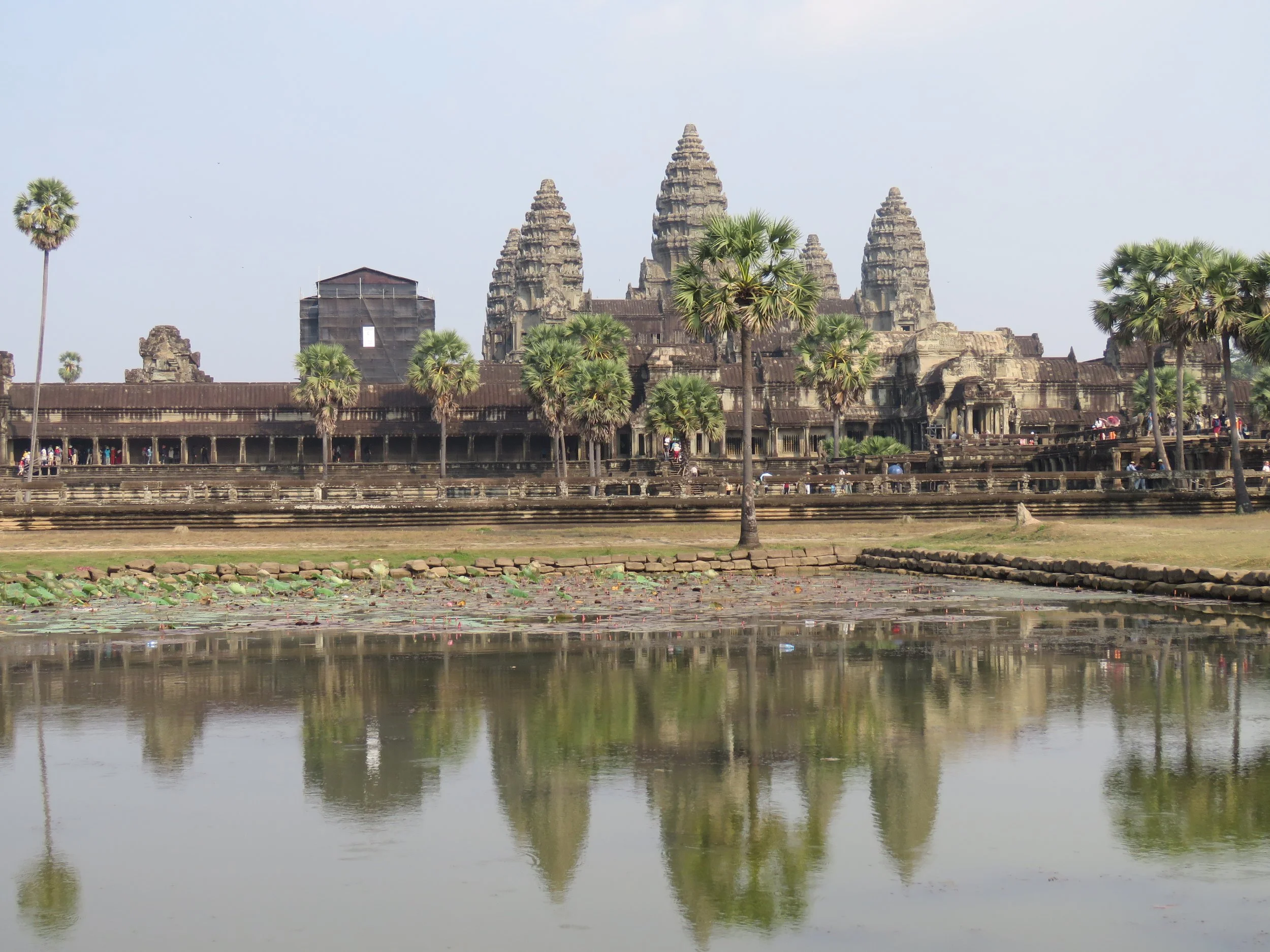
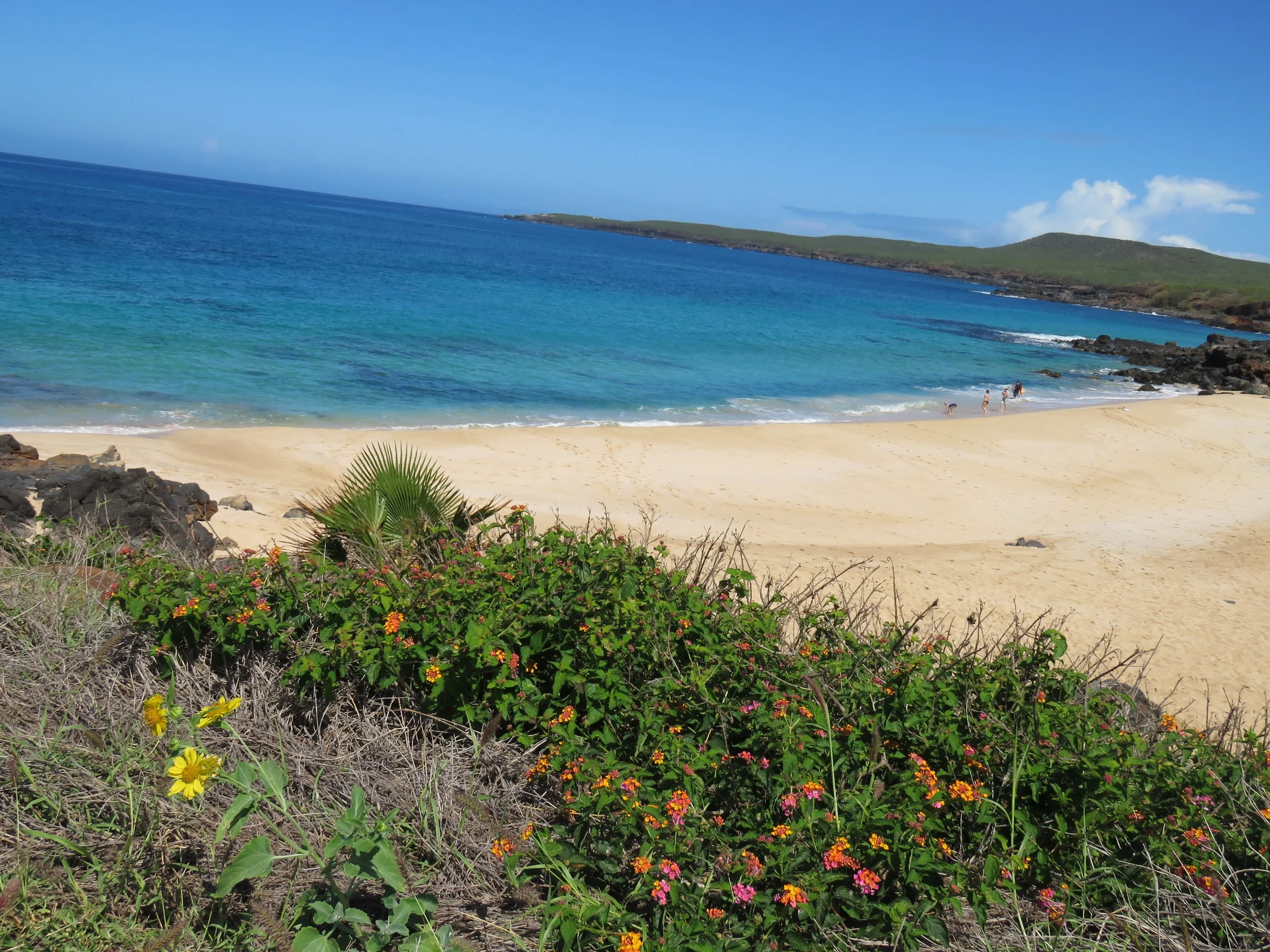
“There’s nothing there!” was what we mostly heard when we told people that, after O’ahu we planned on visiting the Hawaiian island of Moloka’i (pronounced ‘mo-lo-KAh-ee’).
And that’s precisely why we wanted to go….
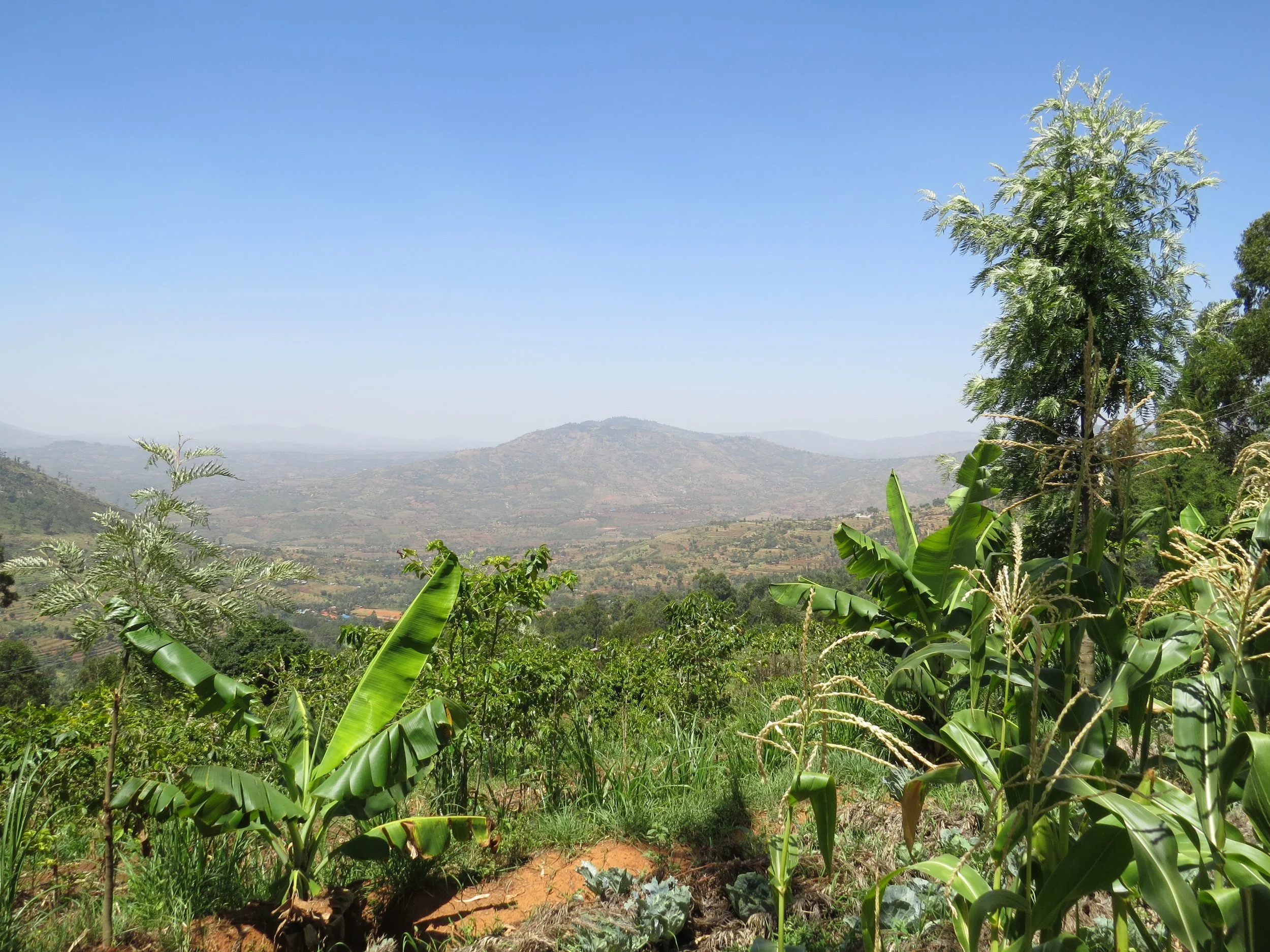
Along the main highway I spot women carrying babies, bananas and everything in between. Men hail down matatu’s (busses) and cling to the doors. Goats are narrowly missed by the many cars that swerve to avoid potholes. There is red dust and exhaust fumes in the air. When the traffic slows to a crawl you can buy sugar cane to chew or a newspaper or new sunglasses, from all the vendors who walk past the cars. Well outside the city I spot a forlorn herd of zebra, a sad reminder of days when abundant wildlife still roamed these plains. This is Kenya!
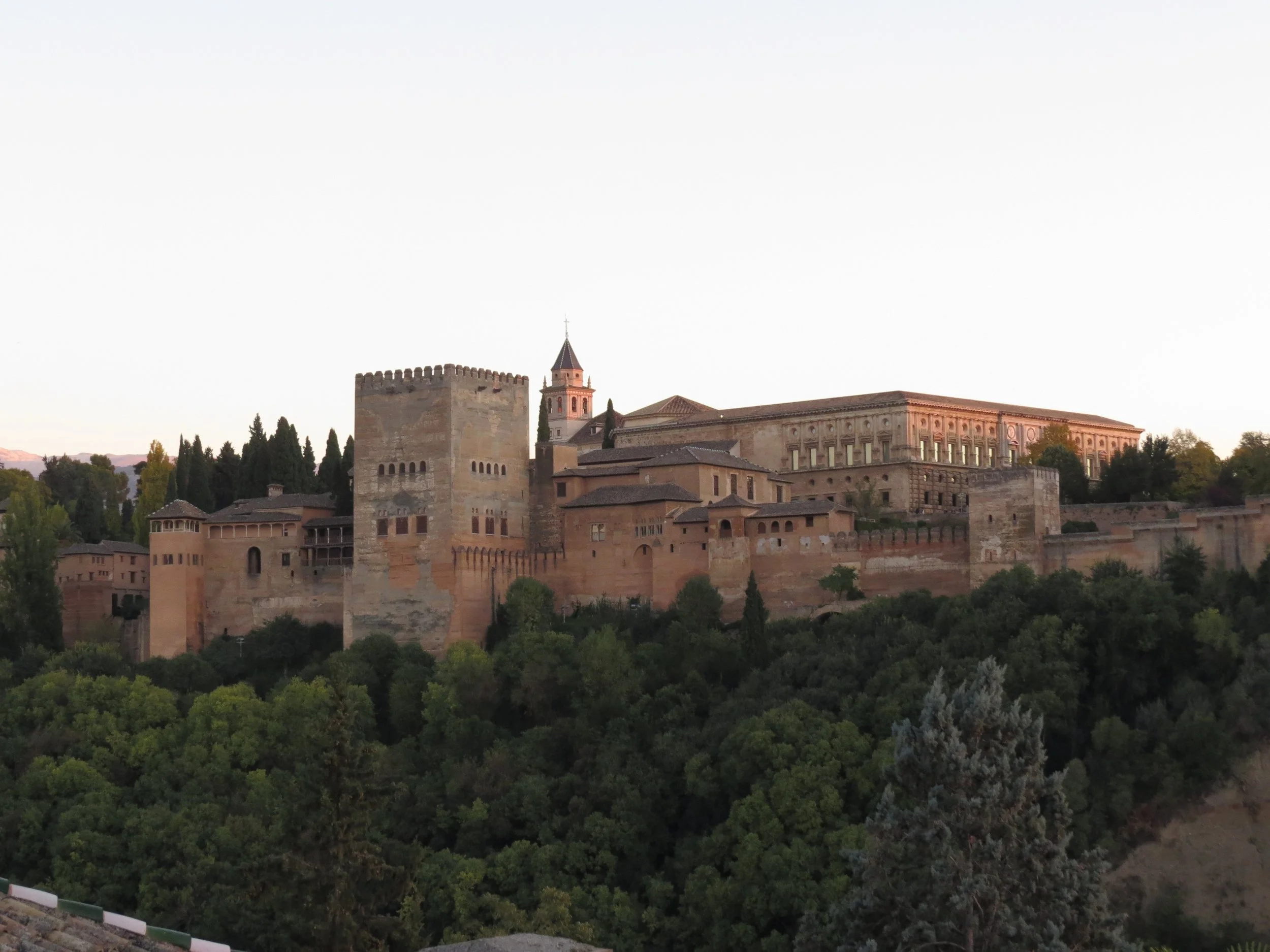
Don’t ever think that you’re a pretty suave traveler, because you’ll immediately be punished. I felt that we were doing pretty good - having driven all over Amsterdam, Paris, Brussels, New York; all over Costa Rica. We’d found our way in old Jerusalem and survived Bangkok and Shanghai.
But then we visited Granada.
Mabuhay - welcome, hello, good day in Filipino.
Manila is an amazing jungle of choked roads, high rises and shanty shacks. This is the second time I’m doing author presentations at an international school here. A school driver was waiting for me at the airport and took me straight to the same hotel, Vivére, where I stayed the previous year. On the 31st floor is a restaurant and a roof top pool.
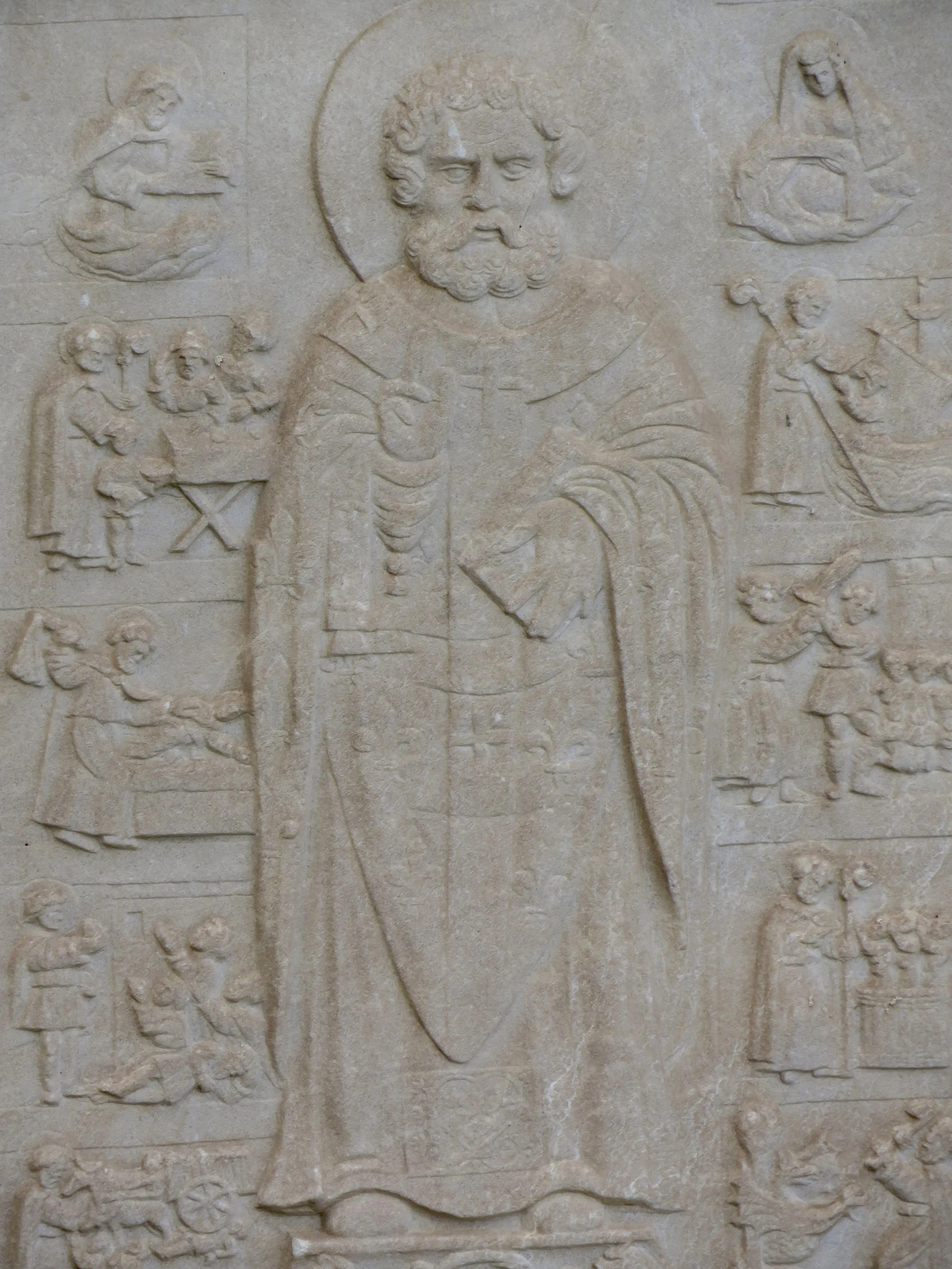
I was going to Bari, Italy to help launch the Italian version of my book Stepping Stones, A Refugee Family’s Journey. But Bari, as it turned out, held even more meaning. It is the city where the bones of Saint Nicholas rest in the Basilica di San Nicholas - the patron saint of sailors and children whose birth (or death?) date we have been celebrating in The Netherlands and traditions which have morfed into all aspects of Santa Claus in North America. Come along on a journey to Italy and through time.
While doing author presentations at an international school in Shanghai, China I have a weekend off. Rather than staying in a hotel room in the city - which is already hazy with air pollution at 6 AM - I decide to take a field trip and book a 2 hour domestic flight to Xi’an - the city made famous by the discovery of terracotta warriors.
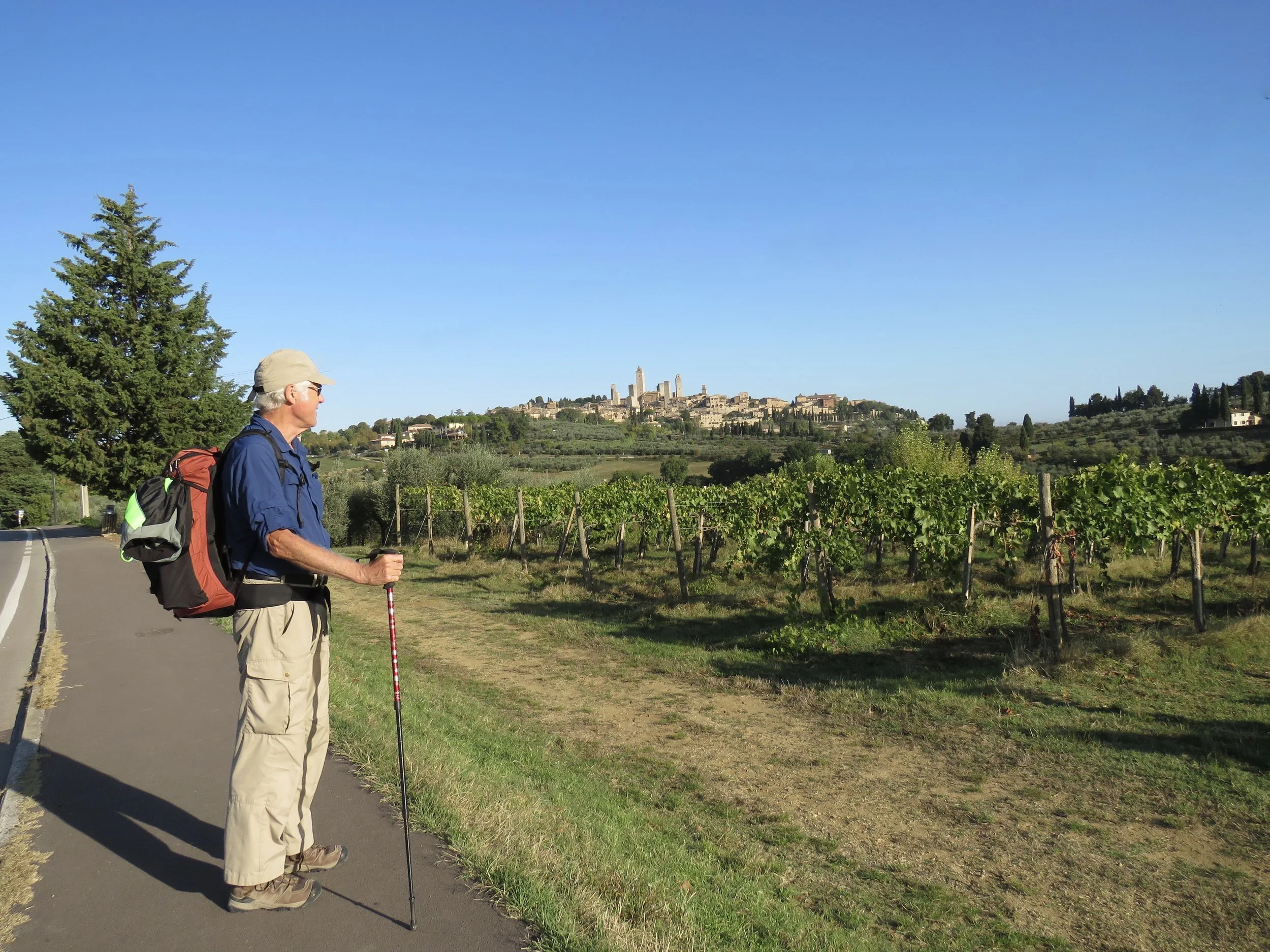
We came to Italy to hike a “different camino” - the Via Francigena. Since the 7th century, a passable route across Europe was important to allow for trade, invasions and more. The Italian route crossed the Apennines, followed the Magra Valley and then turned away from the coast towards Lucca - our starting point for this long distance hike across Tuscany.
In response to an invitation to speak at international schools across Asia, I set off on a long trip. My first stop is Seoul, South Korea.
As always, I set my watch for Seoul time right away as my plane departs. If it’s early morning when I arrive, I try to sleep, or at least doze, on the plane. If I get in late at night, I try to stay awake. And taking my No-Jetlag pills helps me to adapt to the time change quickly.
Formerly known as Byzantium, then as Constantinople, and now as Istanbul, the city lies half in Asia and half in Europe. With its roasted chestnut stalls and coffeeshops, Istanbul sometimes feels like Paris. Its narrow streets with patios and trams feel like Amsterdam. But its forest of minarets, shoarma stands and water pipes give it a distinct Middle Eastern feel. Mosques dominate the skyline and the call to prayer twirls out of many minarets, swirling its haunting tunes over the rooftops. Women wear burkas or tight leather pants, hiking boots or high heels. You can buy roasted corn or a Starbucks. Istanbul is a meeting place of east and west. It is the only city in the world that sits on two continents!
It is an interesting place with a unique history. This rocky toe that Spain hesitantly dips into the Atlantic Ocean, at the point where the ocean turns into the Mediterranean Sea, really ought to belong to Spain. History, however, claimed it for the British. Reminiscent of Hong Kong, this strategic harbour was claimed by the British in 1713 already. The local Spaniards we talked to felt that it was a good thing. “Without the British here, Gibraltar would just be another rock in the ocean,” they told us, “Now it is an attraction, an oddity that brings us jobs and a good economy.”
The first impression of Dubai is wealth. Glittering glass, chrome, marble but also glittering gold and diamonds. Everything is spotless and perfect. This is a man-made world of artificial trees, super malls, expensive cars and jewels. But I am not a shopper. And I am not interested in hobnobbing with the jet set…
Kalakaua, Ke’eaumoku, Punahou, Kapi’olana - I love the rhythm of Hawaiian names… Honolulu on the island of O’ahu is a big American city of 350,000 people. Together with surrounding cities like Waikiki, the county is home to close to a million people. That’s why we will encounter traffic jams and waiting lines when plunging into the sightseeing world of Hawaii. So we plan our day trips here carefully because we’re allergic to crowds and touristy attractions.