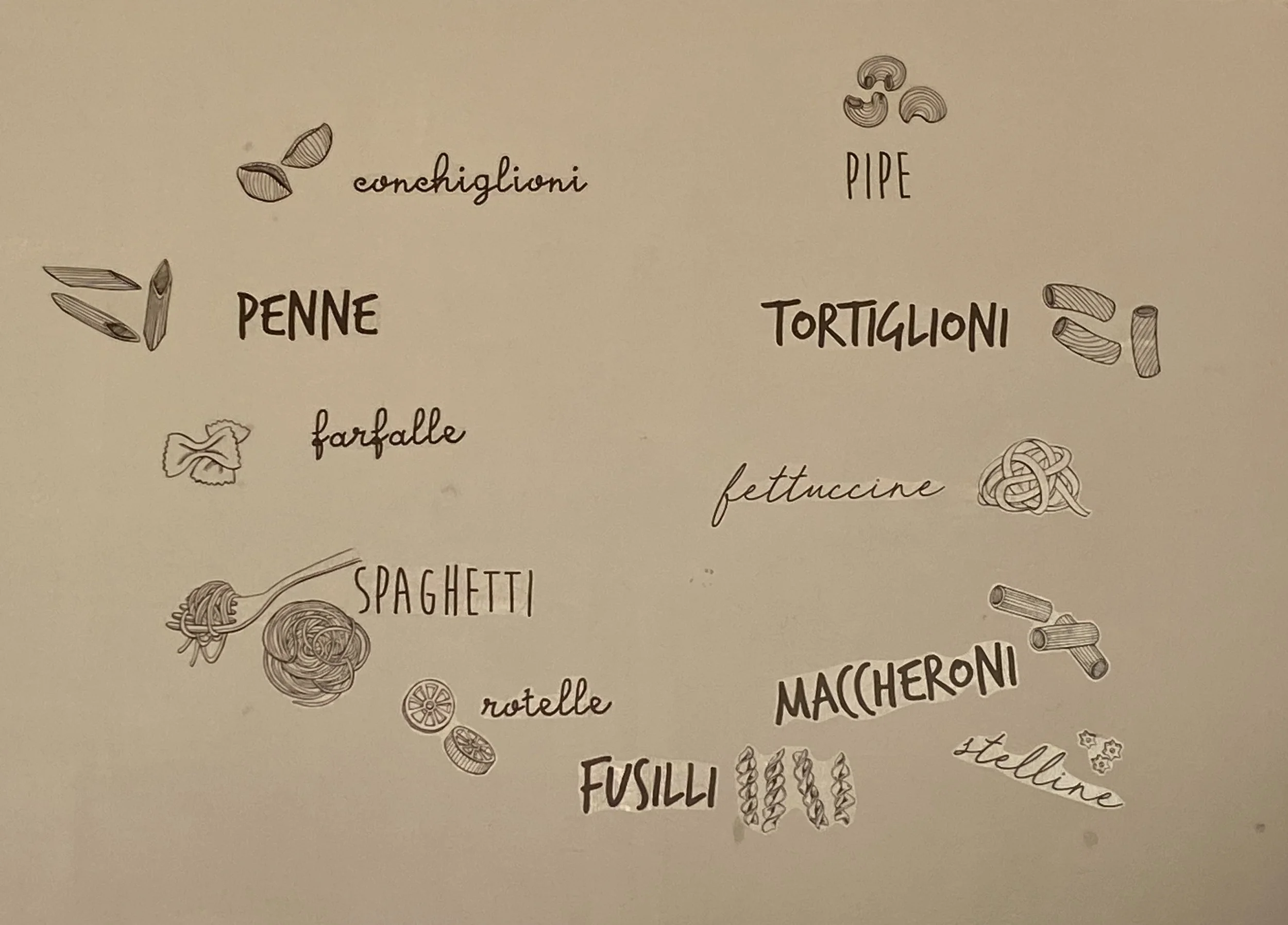
Did you know that you speak Italian? Spaghetti, lasagne, pizza, gelato!
Our culinary tour of Italy took us from Venice to Bologna. I always wondered why Bologna meat is named after this city. Turns out that Bologna was famous for mortadella - a pork sausage with spices in it. And yes, there’s lots of mortadella in Italy but I had never heard of ‘bologna meat’ in Italy. Well, turns out that when immigrants from Italy moved to the New World, they brought their love of mortadella with them and started making their beloved sausages again. However, instead of calling it ‘mortadella’, they referred to it as the city from which it came: Bologna. Eventually, ‘bologna’ turned into ‘baloney’. Which, of course, is a bunch of baloney because it is still mortadella.
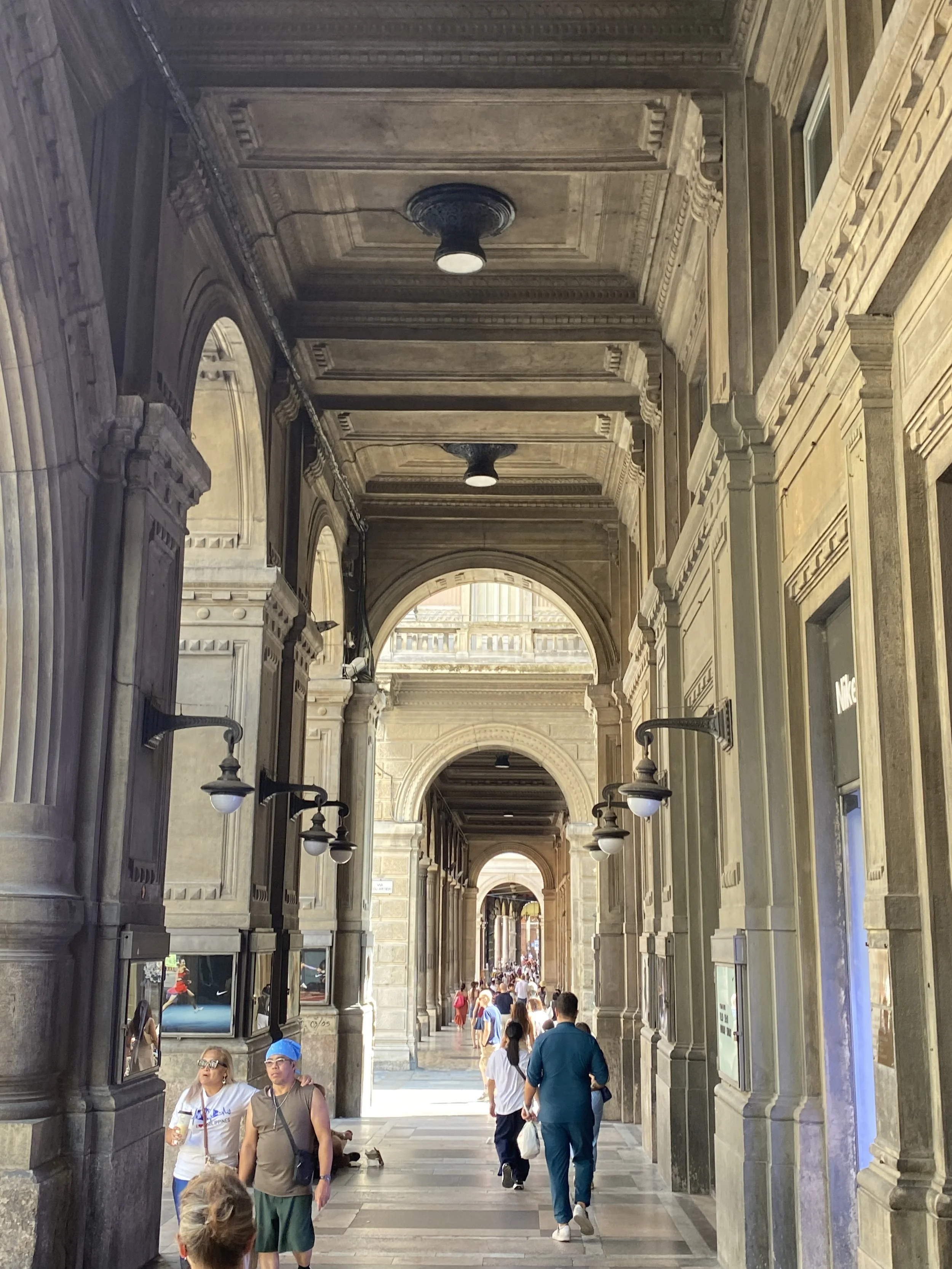
Covered sidewalks give Bologna an air of grandeur.
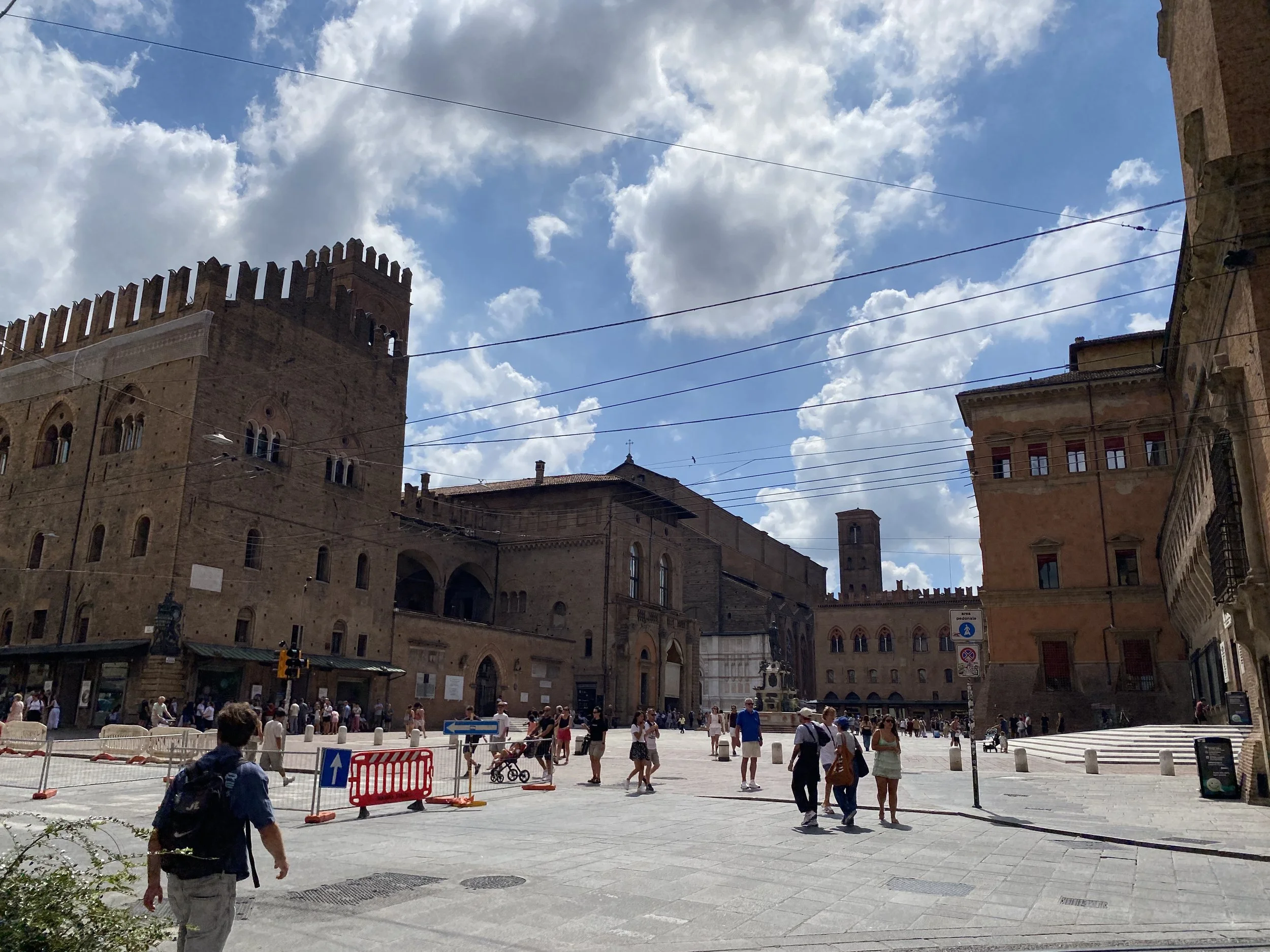
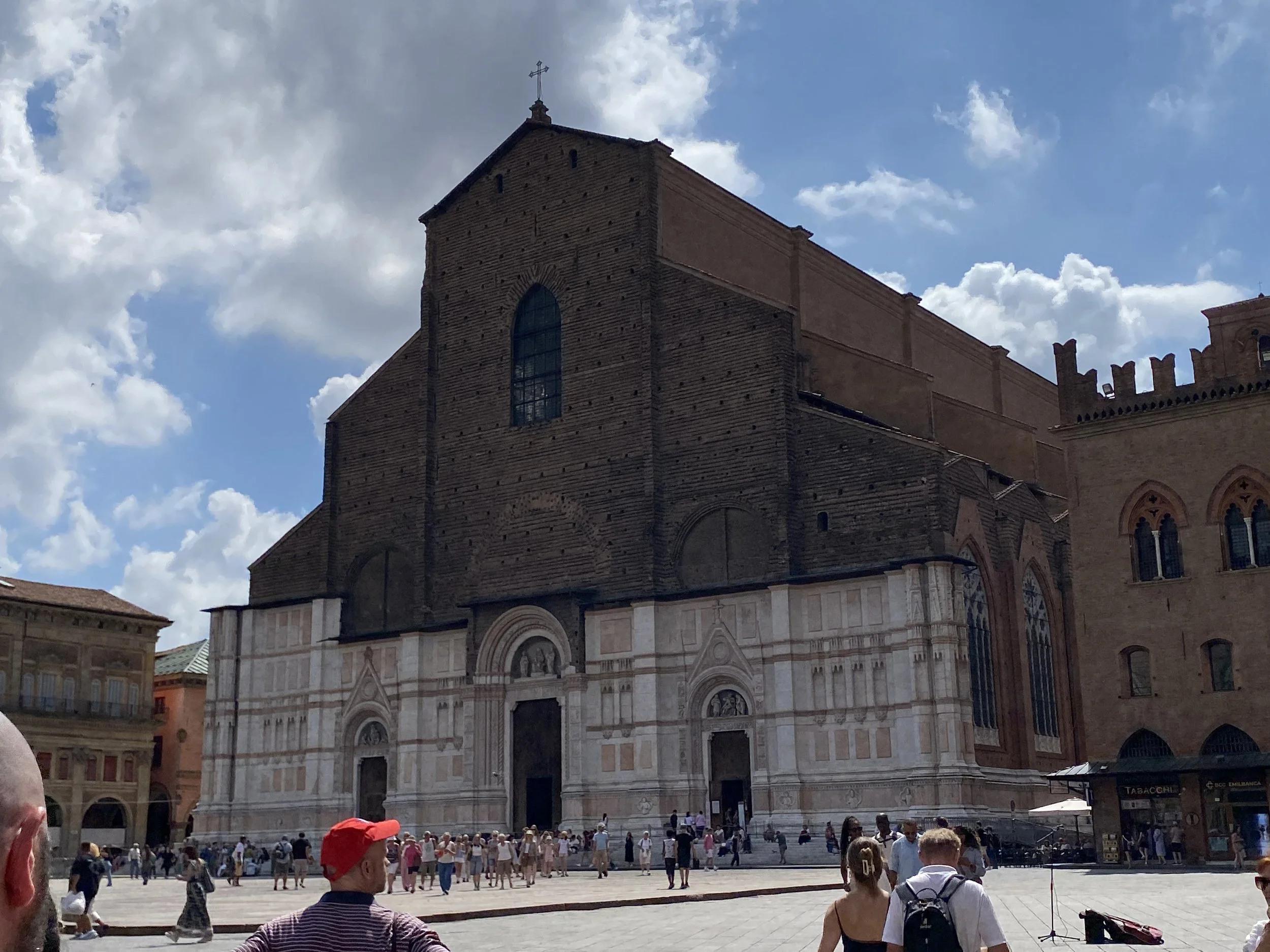
But we were in Bologna not to make sausage, but pasta! We walked all over the heart of this beautiful city. To me, Bologna is famous for its annual Children’s Book Fair with publishers from all over the world displaying their children’s books and selling rights. My books have been there, but I had not, so it was a special thrill to see this city. Beautiful old buildings, squares with fountains, an imposing city hall. I especially liked the covered sidewalks that let you stroll along shops while being in the shade.
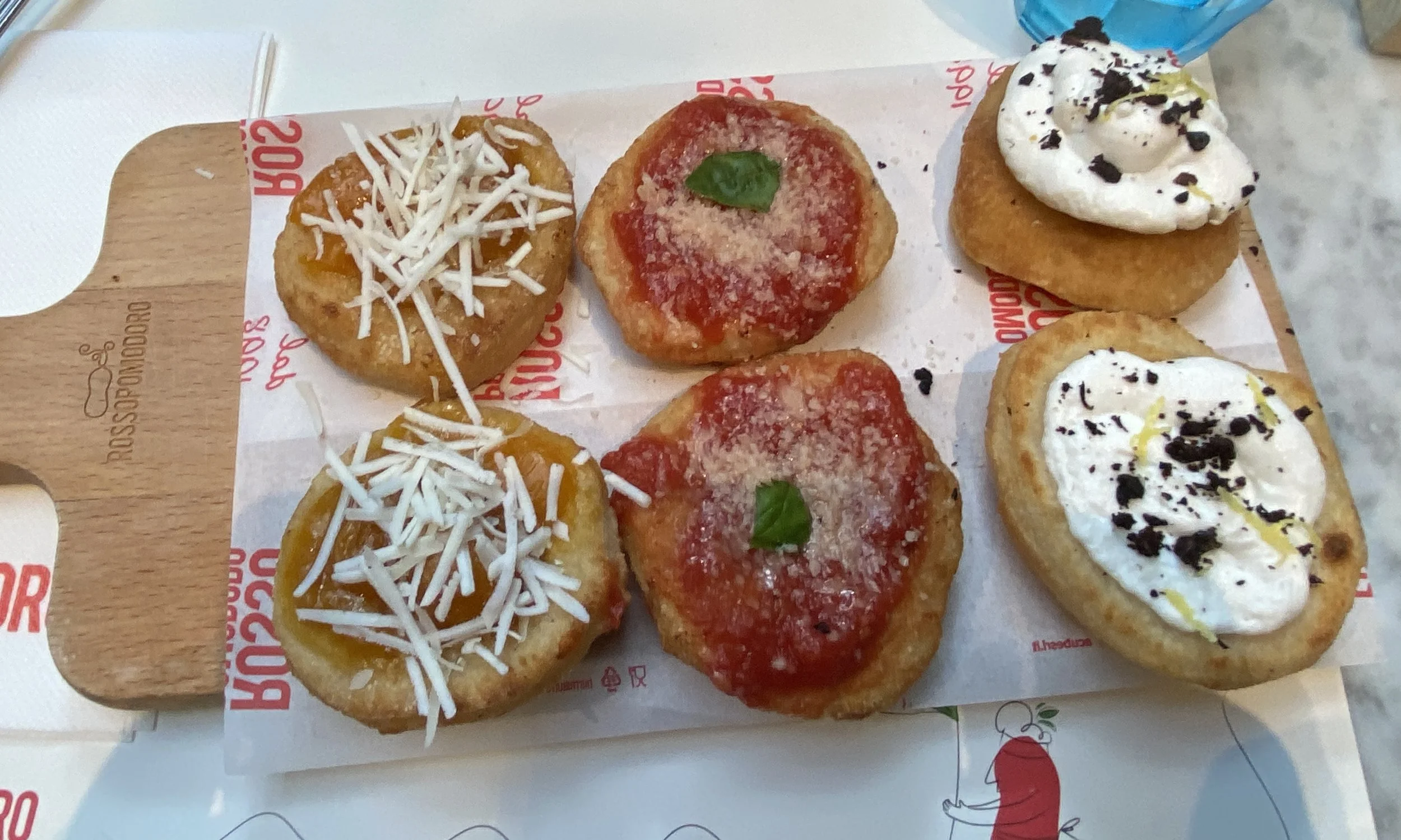
Deepfried pizza!
I had never had deep fried pizza but it is delicious! A small patty of pizza dough is deep fried, then topped with fresh tomato sauce and fresh mozzarella and truffle sprinkles.
Bologna
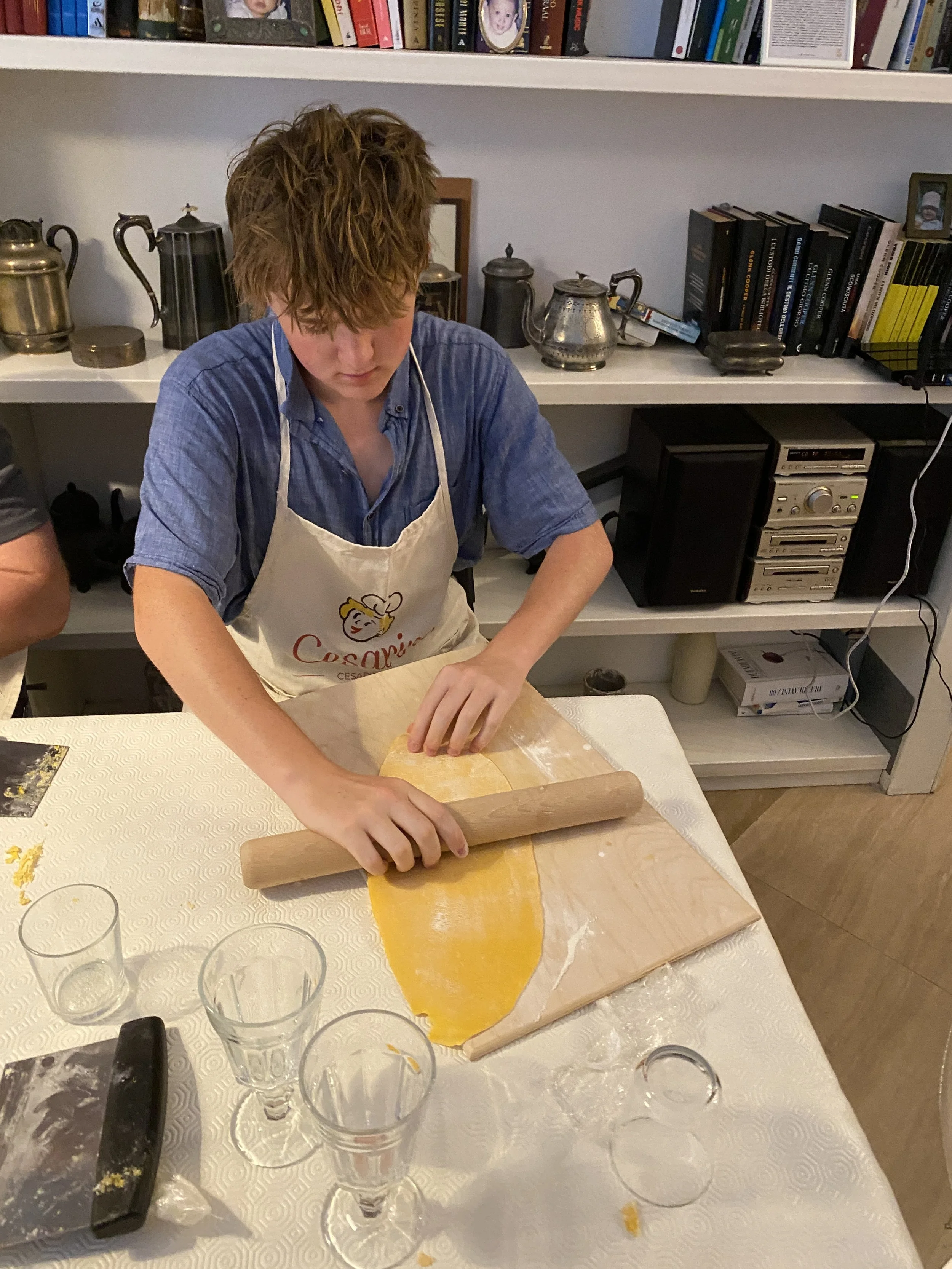
Making pasta in Bologna.
That night we walked to the house of someone who was going to show us how to make your own, fresh pasta. We climbed the stair to her cozy, inner city apartment and sat down at a large table. We were each given a cup of flour and one egg and told to slowly start kneading. And kneading, and kneading until it was a soft, smooth, elastic ball. Then we rolled and flattened it. And then some more… until we could almost look through it.Then we cut our thin sheet of pasta into long strips, rolled them into a nest or hung them over a wooden spoon before dropping them into a large pot of boiling water.
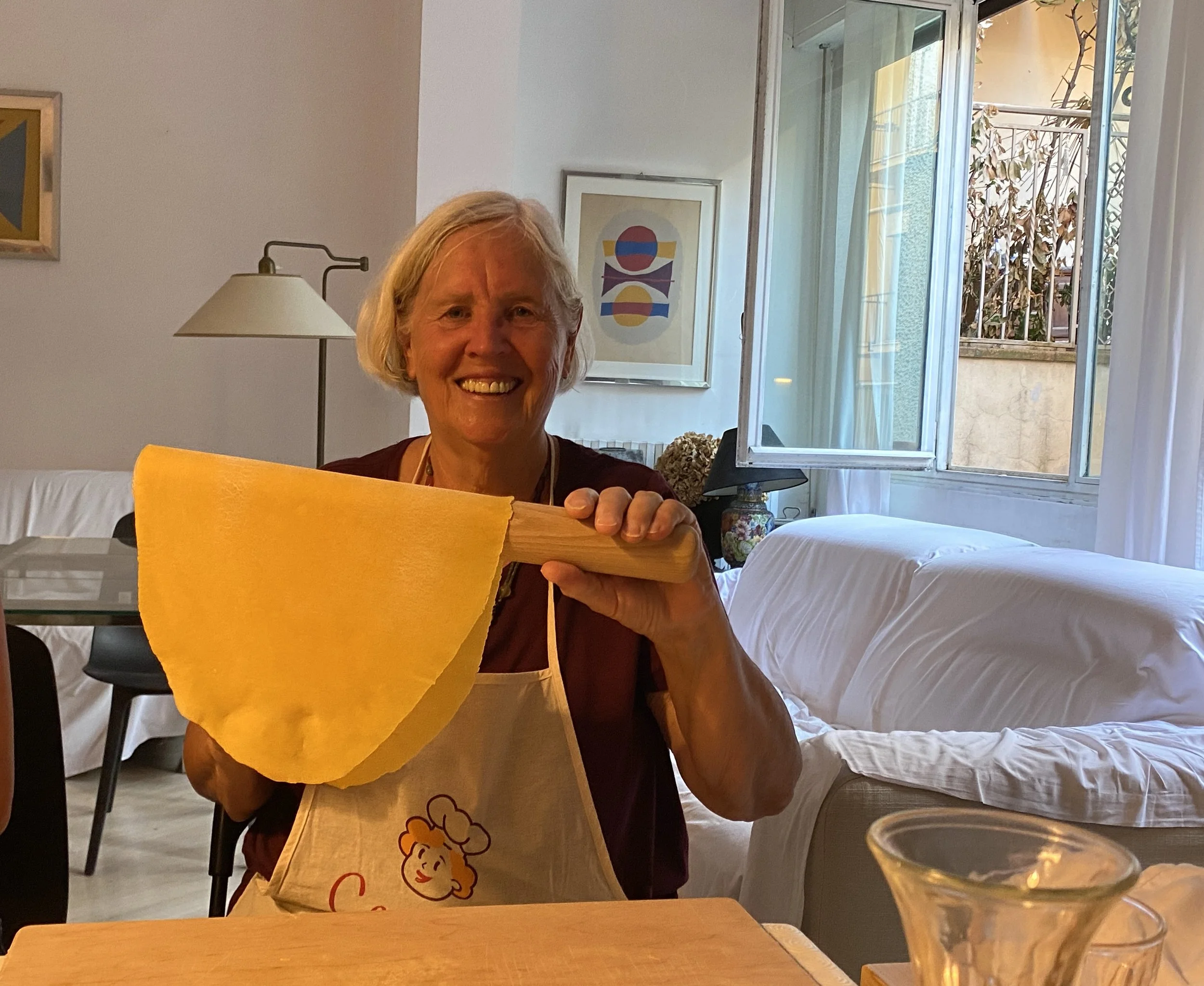
Minutes later, we scooped meat sauce over our very own pasta, sprinkled it liberally with freshly grated Parmesan cheese and enjoyed a wonderful meal, accompanied by a good Italian wine, of course. For many years, one of my favourite wines has been Lambrusco. Turns out this is Bologna’s speciality and available everywhere, often cheaper than a bottle of water.
But the best thing came after the main course. Dessert! And what better dessert to have in Italy than homemade tiramisu. I had no idea it was so easy! We made it into in individual bowls: ladyfingers on the bottom. Sprinkle with a few spoonfuls coffee and let it soak in. Meanwhile separate two eggs (at room temperature), add 2 tablespoons of sugar to the egg yolks, stir until smooth and silky.
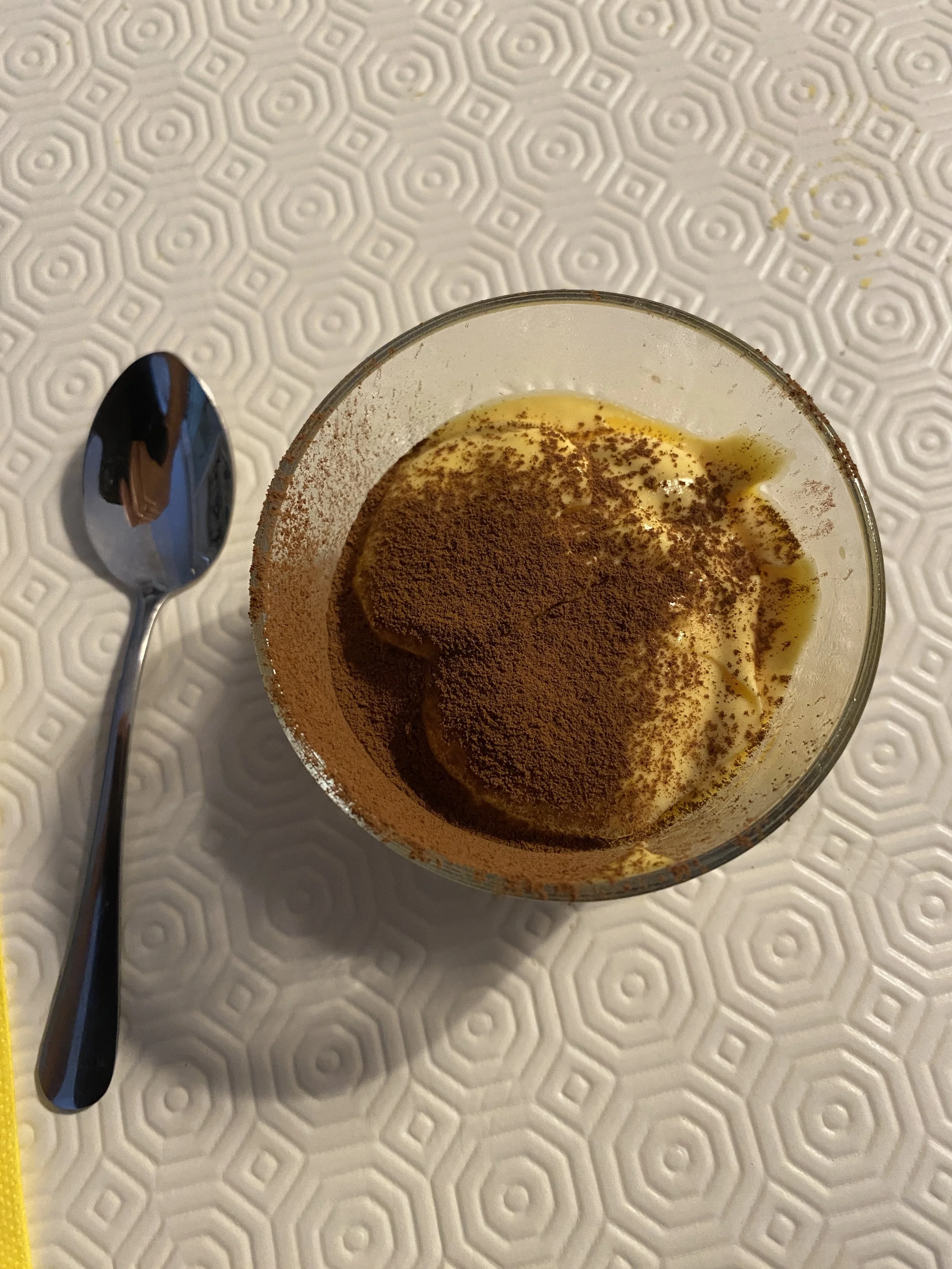
Homemade tiramisu.
Scoop 250 grams of mascarpone through the egg yolks. Beat the egg whites stiff with a little bit of sugar. Scoop lightly through the mascarpone mixture. Scoop on top of the ladyfingers and let sit in the fridge for a couple of hours. Sprinkle with cacao just before serving. Delicious!!
Of course, no pasta is complete without real parmesan cheese on top. So the next day we set out to the town of Modena, to learn about, and eat, Parmigiano Reggiano. This world-famous, Italian hard cheese is made from unpasteurized cow's milk and aged for a minimum of 12 months, often up to 36 months or more. The real deal holds a strict Protected Designation of Origin status, meaning that true Parmigiano Reggiano can only be legally produced in specific regions of Northern Italy, including Parma, Reggio Emilia, Modena, and parts of Bologna and Mantua.
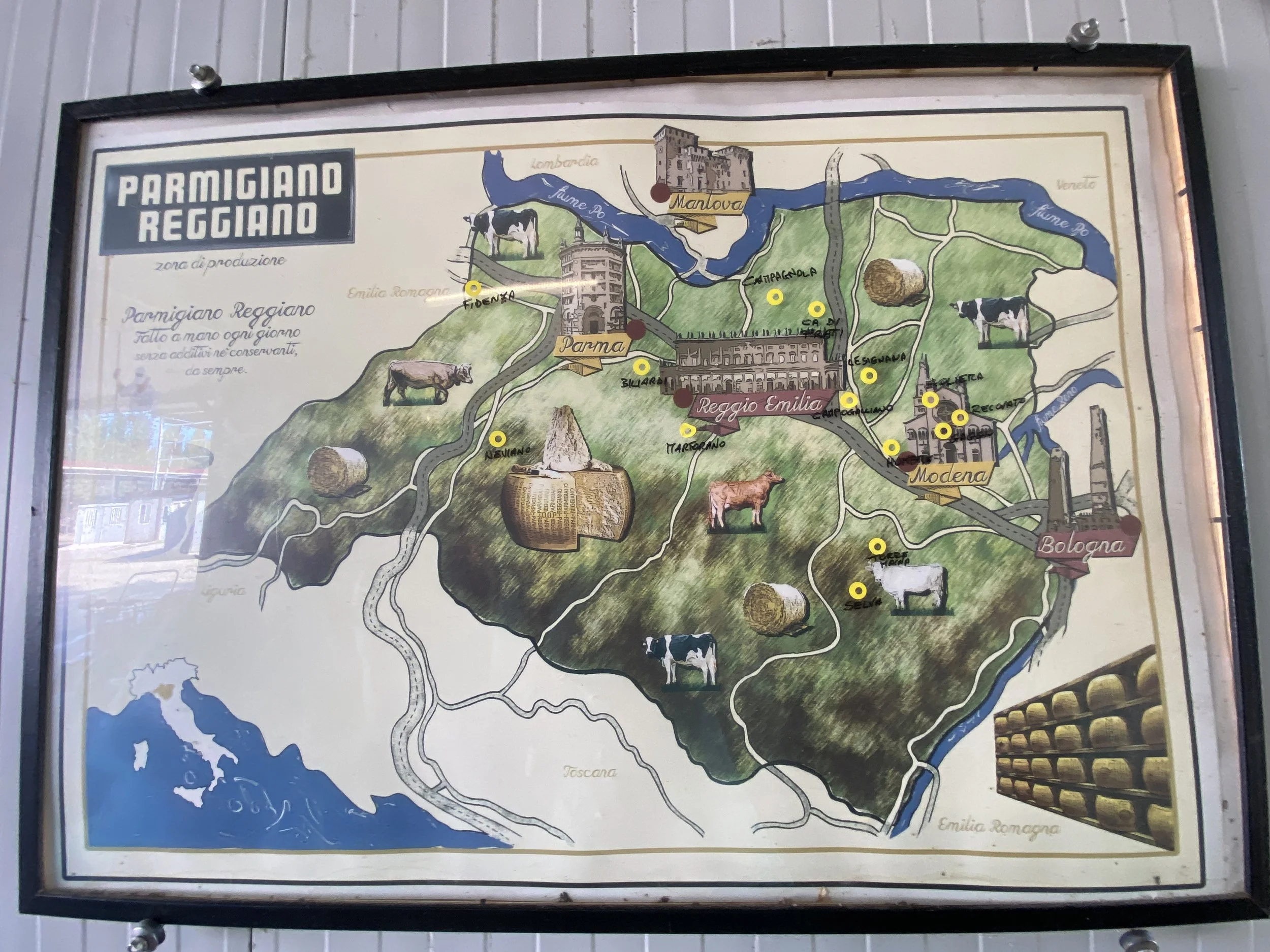
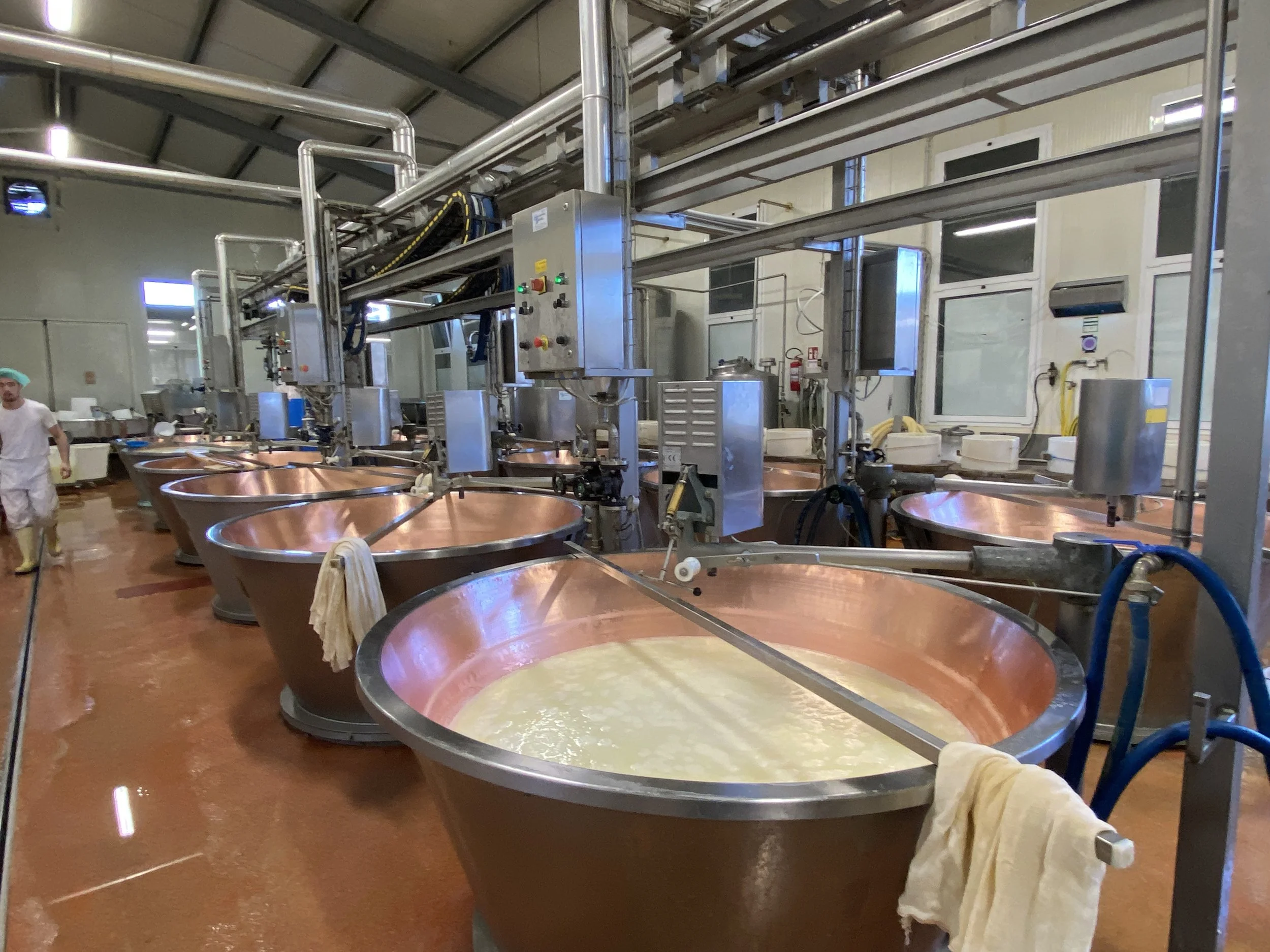
First we met the cows. Then we watched the milk being poured into copper vats where the round cheeses would form. The curds are stirred, caught in linen cloths and the huge rounds cut in half. Each cheese can weigh as much as 200 pounds. They are soaked in brine to give it its hard exterior, then stored to dry and age on massive shelf units. They used to be turned by hand but now a robot performs this task. We enjoyed sampling many different ages to taste the difference, complete with crackers, relishes and, of course, a sparkling red Lambrusco.
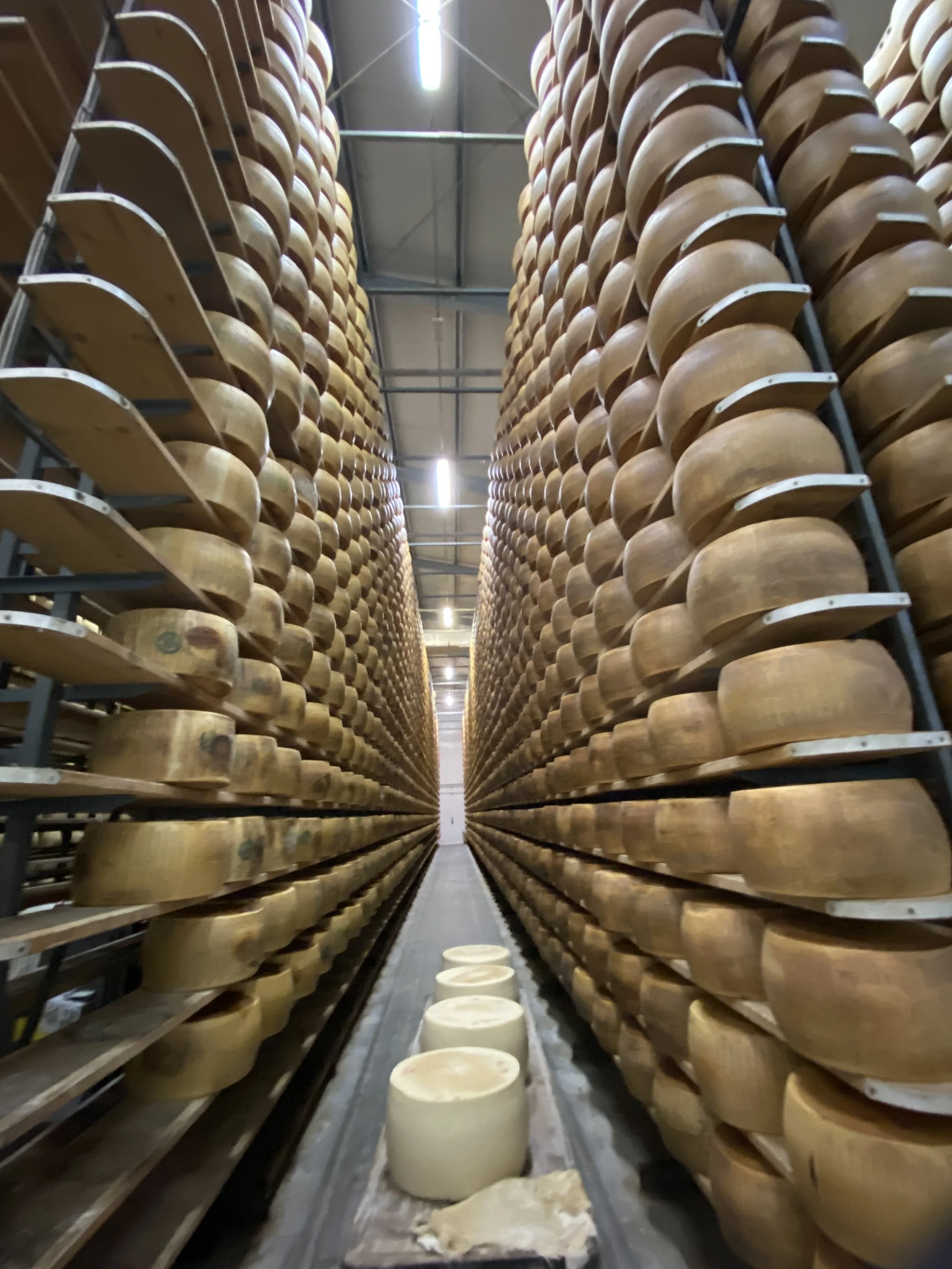
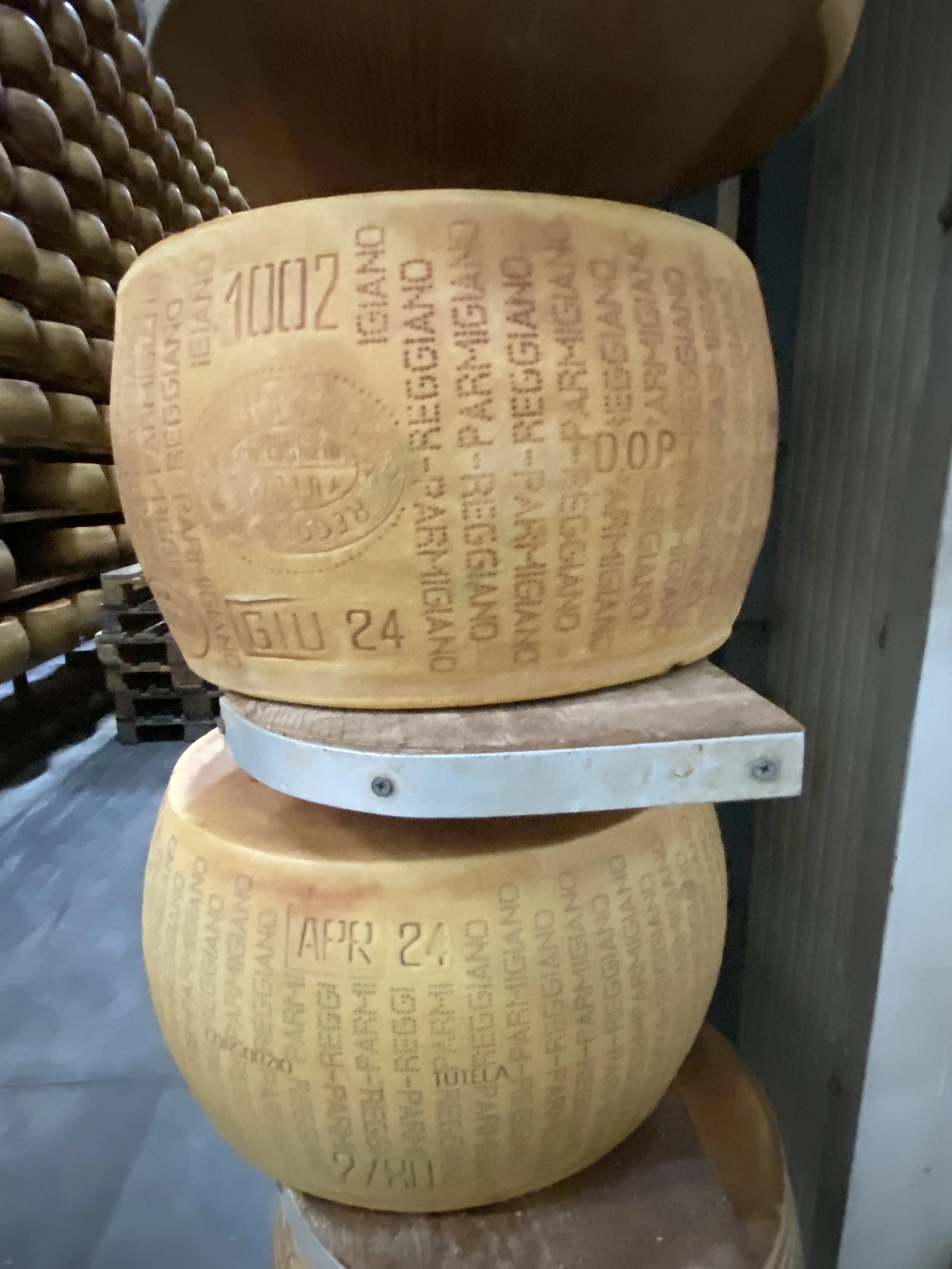
Can you just smell it?
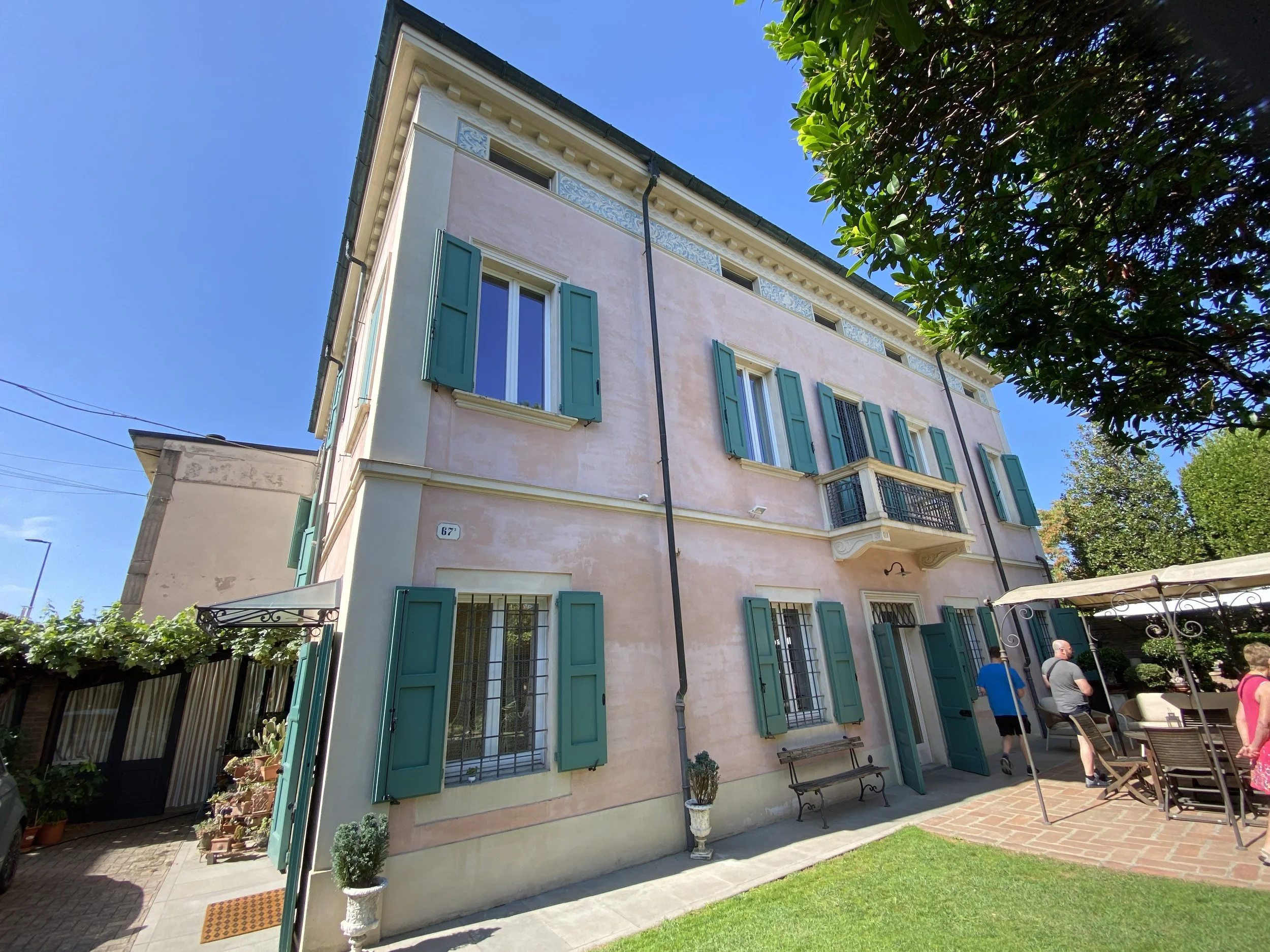
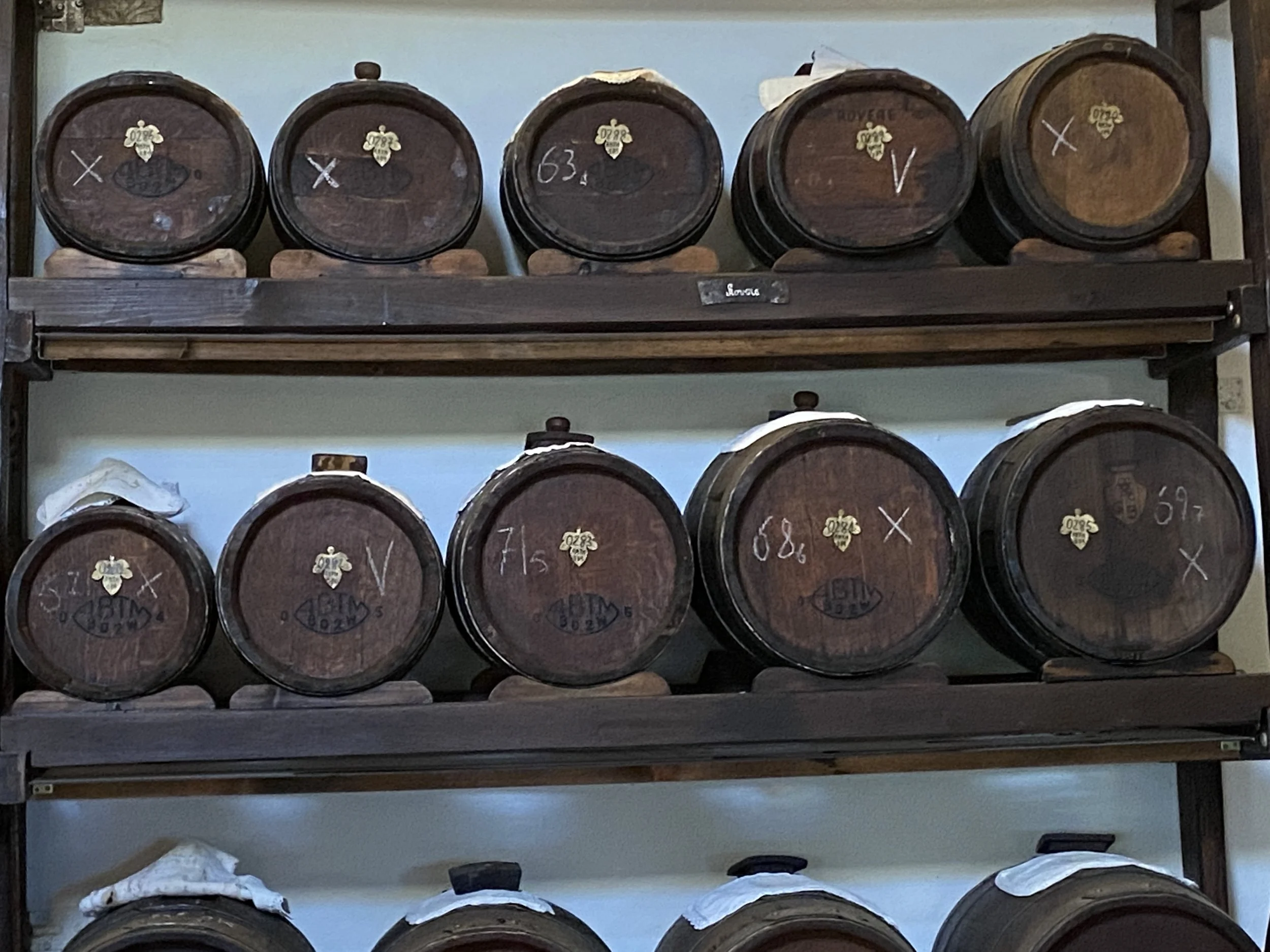
Modena is also famous for its vinegar. After the cheese, we drove to a family business of vinegar brewers. I had no idea how good vinegar is made and our guide stressed that it it very different from making wine. This particular family has been in business for hundreds of years. The attic of their home is perfect in temperature, year round, to host the wooden barrels of aging vinegar. The barrels lay on their sides ob shelves. Each barrel is made from a different wood - oak, chestnut, cherry, ash, or mulberry - which effects the aroma and complex flavors of each batch. Each year, the brewer tops up the oldest batch, moving the liquid from the largest to the smallest barrel. The youngest vinegar that is ready for use is 12 years old, the best is often more than 25 years old. It was fascinating to learn and to taste.
I realized that you can make your own arrangements for accommodations and transportation, but having all these culinary tours arranged for you, is pretty special.